Sustainable Fashion Trends USA: What Gen Z Is Buying in 2026

Step into any thrift shop in Brooklyn or spend five minutes scrolling through Depop, and you’ll see it right away—Gen Z shops with purpose. It’s not just about scoring a cool jacket or finding vintage jeans anymore. They want to know where that jacket came from, how those jeans were made, and what happens to them in a few years. That shift is shaking up sustainable fashion trends across the country. And honestly, it’s rewriting everything about how the industry works.
So, what are Gen Z actually putting in their carts in 2026? And why does it matter so much? Let’s get into it.
Sustainable Fashion Trends USA And The Rise Of Conscious Shopping
For Gen Z, style and values go hand in hand. If they care about climate change, workers’ rights, or even just how something’s packaged, that gets baked right into how they shop.
Why Gen Z shops with purpose
This generation grew up watching wildfires on the news and seeing fast fashion waste pile up on social media. Climate change isn’t just a topic—it’s background noise for their whole lives.
So questions like “Who sewed this?” and “What’s in this fabric?” come up a lot. If the answers aren’t good enough, they’ll look elsewhere.
Price still matters, but differently
But here’s where it gets interesting. Gen Z loves a deal just as much as anyone—maybe more. They want value, but not at the expense of the planet. So instead of loading up on cheap basics, they’ll pick one extra-good shirt or a bag they can resell.
Eco-Friendly Clothing Brands USA Getting Gen Z Attention
Big names still own plenty of shelf space, but upstarts built around strong missions are getting real traction.
What makes a brand stand out
Gen Z is out there looking for them, too. Just talking about “organic cotton” isn’t enough anymore; that’s just table stakes. If a brand wants respect, it needs to show off transparent supply chains, fair wages, low-waste production—you know, all the behind-the-scenes stuff.
Brands like Everlane, Pangaia, and Reformation get a lot of buzz. But there are always fresh startups bubbling up, pushing those boundaries even further.
The role of storytelling
Gen Z isn’t just buying what’s on the shelf. If they hear, “This coat is made from old fishing nets,” or “Workers at this factory set their own wages,” that sticks. It creates loyalty that no ad campaign can match.
The Slow Fashion Movement 2026 Is Becoming Mainstream
Fast fashion hasn’t vanished just yet, but nobody looks at it the same way. More shoppers—especially Gen Z—are looking for quality, not just variety.
What slow fashion actually looks like
Slow fashion means versatility, timeless pieces, and stuff that lasts for years, not just a season. Capsule wardrobes, durable materials, designs you won’t hate six months from now. It’s not about having less fun with clothes, but picking better.
Renting and reselling are normal now
Oh, and renting or buying secondhand? Totally normal now. Sites like ThredUp, Poshmark, and Rent the Runway have made the idea of wearing used or borrowed clothes kind of cool.
Need a dress for a party? Rent it. Outgrown your style? Sell it. All of that puts a dent in waste—and you can still experiment with new looks as much as you want.
Suggested Reading: Understanding the Beauty Technology Revolution 2025 and Its Impact
Recycled Fabric Clothing Is More Than A Trend
Let’s talk materials—because Gen Z does. They care what their favorite sweater is made from.
Popular recycled materials
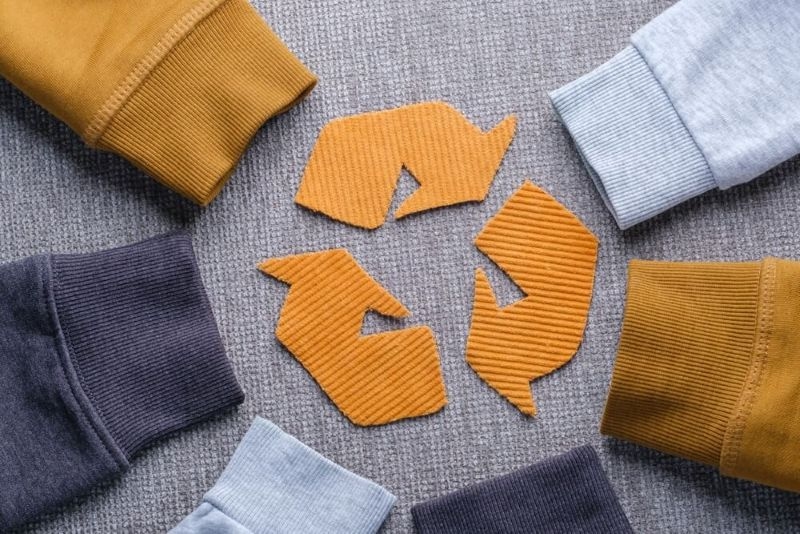
Recycled fabric clothing is everywhere now: Think leggings made from old plastic bottles, fashion lines built from deadstock fabric, regenerated nylon from ocean waste, even clothes spun from textile scraps that used to get tossed out.
Does recycled mean lower quality?
Is recycled stuff lower quality? Not anymore. Plenty of recycled materials stand up to—or beat—their mainstream counterparts. You get the performance, and the planet gets a break from resource-heavy production.
Ethical Fashion Tips Gen Z Actually Follows
There’s a lot of advice floating around online, but Gen Z tends to follow what feels realistic. Not perfect. Just better.
Small habits that make a difference
Sure, social media is packed with advice, but Gen Z sticks with what feels doable:
- Buy fewer, higher-quality pieces.
- Look up brands before buying.
- Support local shops or small businesses.
- Wash clothes less, so they last longer.
- Repair stuff instead of tossing it.
Nothing in there is extreme. It’s all practical—no need to go off-grid or splurge on every item.
The mindset shift matters most
Honestly, the real transformation isn’t in the closet—it’s in the attitude. Fashion, for Gen Z, isn’t disposable anymore. Building a wardrobe takes time, and every piece has value. That new way of thinking means less waste, almost by default.
Don't Miss: Jewelry for Every Occasion: Style That Fits Every Event
Green Fashion Startups Changing The Industry
Startups are where innovation is happening fast. Many of them are experimenting with materials, production methods, and even business models.
What makes these startups different
You want real change? Look at fashion startups. These brands make circular models (where clothes get recycled again and again), on-demand production to avoid leftovers, and even experiment with plant-based leather or lab-grown fibers. Sustainability isn’t an afterthought; it’s the whole business plan.
Why Gen Z supports them
Buying from a startup feels like rooting for an underdog, and Gen Z connects with that. There’s a personal edge—it’s about meaning, not just the item.
The Influence Of Social Media On Sustainable Fashion
Nothing influences what Gen Z buys like social media. But it’s not all just the latest trend alert.
You’ll find creators sharing:
- Thrift hauls
- Brand transparency reviews
- Outfit repeats are styled in new ways
- Behind the scenes looks at production
This kind of content makes sustainability feel accessible.
Also Read: Unlock Glow: A Guide to Picking Perfect Beauty Products
Conclusion
Sustainable fashion isn’t some quirky side trend—it’s changing how young people in the US shop, think, and style themselves. Gen Z isn’t pretending to be perfect, but they’re asking for better answers and expecting real accountability. And even if it’s happening a little at a time, that shift is powerful.
Fashion, for this generation, is about impact. They want their choices to count. And the industry has to keep up.
FAQs
Is sustainable fashion more expensive in the USA?
It can be, but not always. While some eco-friendly clothing brands in the USA charge higher prices due to ethical production, resale platforms and thrift stores offer affordable options that still support sustainability.
How can someone verify if a brand is truly sustainable?
Look for transparency. Brands that openly share sourcing, labor practices, and material details are more trustworthy. Certifications and clear product descriptions also help confirm their claims.
Are thrift stores and resale apps reliable for quality clothing?
Yes, many secondhand platforms offer high-quality items, often from premium brands. Careful browsing and checking seller reviews can help ensure you get durable pieces.
What role does technology play in sustainable fashion?
Technology supports innovation in materials like recycled fabric clothing and helps brands track supply chains. It also powers resale platforms, making circular fashion more accessible to everyday shoppers.
This content was created by AI