Buying Your First Camera? Here’s What You Need to Know

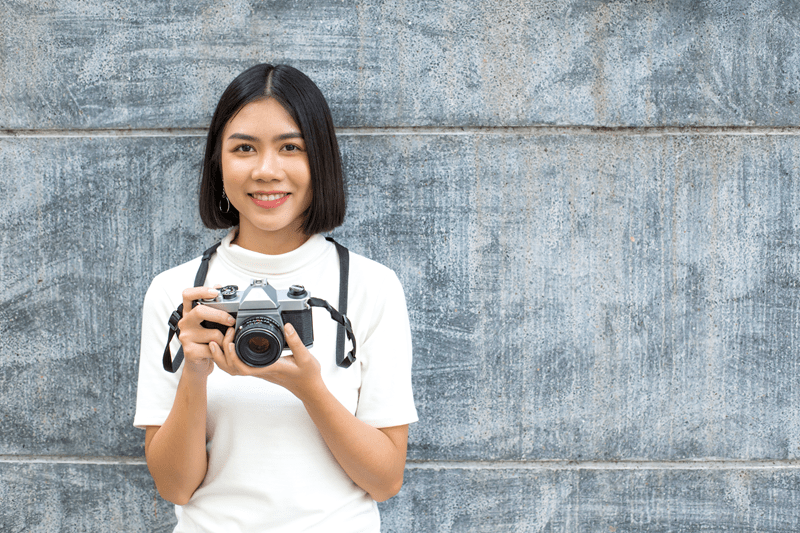
Buying a camera for the first time can be daunting. In this article, we'll go through what you need to know to avoid buying a beginner camera that doesn't fit your needs and make an expensive mistake. You might be researching beginner camera features, comparing DSLR vs. mirrorless technology, learning the ins and outs of camera lenses, seeking beginner photography tips you can trust, and more. This article will simplify it all for you! A first-time camera should empower you rather than overwhelm you; understanding what you have to choose from ahead of time makes a big difference in the long run.
In this article, you'll find out precisely what you need to consider when you're looking to buy your first camera. We will discuss all the essential points to help you make a wise decision, without jargon, without pressure, and in a way that is easy for beginners. All of this information will help you feel more secure in the overall purchase of your first camera.
Buying Your First Camera? Here’s What You Need to Know Before You Buy
The first thing to consider when purchasing your first camera is what you want to use it for and how you plan to use it. Beginner cameras are not about having the "best" or "most expensive" option available; they are about getting a tool that helps you develop, create, and keep learning and creating.
So, ask yourself:
- Do you need your camera for introductory/general use, Entertainment, or Casual Photography?
- Do you want your camera to give you total creative control over your photographs?
- To be more creative and artistic?
Based on the answers to the above questions, you should stay focused on the beginner features of camera equipment rather than purchasing many advanced features.
What Makes a Camera for Beginners the Right Choice?
Beginner cameras are intended to offer an easy-to-use, forgiving design with a high level of versatility, enabling new photographers to capture images of a quality that meets the expectations of most professionals.
Most Important Beginner Camera Features
- The essential beginner camera features are;
- Automatic and Manual Exposure Modes
- Menu Navigation
- Auto-Focus Performance
- Built-in Tutorials
With the addition of these beginner camera features, frustration will be reduced and experimentation encouraged, which will be vital to your long-term development as a photographer.
DSLR Vs Mirrorless Cameras – Which Is Best For Beginners?
For many people, deciding between a DSLR and a mirrorless camera is one of the most significant challenges they will face. However, both types of cameras can be good choices for first-time buyers, just for different reasons.
DSLR Cameras Are Best For Beginners
DSLR cameras have:
- Optical viewfinders,
- Battery life that outlasts most modern cameras, and
- The ability to purchase lenses at remarkably low prices.
These attributes will benefit photographers who want to learn traditional photography styles.
Mirrorless Cameras Are Best For Beginners
For photographers who want to use the latest in-camera technology, including faster focus, lightweight and compact body styles, and real-time exposure adjustments, mirrorless cameras are the best choice.
Because mirrorless camera design offers greater convenience than traditional DSLR design, it is typically more appealing to beginners.
Here’s Something Helpful: Best Home Appliances for 2025: An Expert Buying Guide
Why Entry-Level Camera Models Are Ideal for Learning Photography
A beginner camera strikes a balance between capacity and user-friendliness. With regard to performance and features, it offers a way to develop your skills without setting you up for failure through confusion or frustration caused by too many complicated settings.
Reasons to Select an Entry-Level Camera
- Cost-effective and offers high-quality photographs
- Interchangeable lens availability
- Excellent resale value for your upgrade
An entry-level camera should encourage your creative exploration while offering options for developing your photographic expertise.
Camera Lens Basics Every New Photographer Should Understand
As with the camera body, understanding the importance of camera lenses to the overall image quality is extremely important to many novice photographers. Excessive focus on getting the camera right too soon can lead to poor lens results.
List Of Camera Lens Basics You Will Want To Be Aware Of:
- The focal length will help you compose your image
- The aperture will control how soft and blurred the background will be
- The type of lens you use (prime vs. zoom) will depend on what you need to do
Learning the essential basics of camera lenses will help you make more informed equipment purchases and improve your photography sooner rather than later.
What Beginner Camera Features Improve Learning Speed?
Beginner cameras offer features to help new photographers learn quickly, focusing more on their creative side than on technical settings. Below are examples of key beginner camera features that enable you to focus on your creativity instead of your settings:
- Scene Modes - These provide a quick, easy way to shoot and automatically adjust settings based on the scene you're photographing.
- Manual Mode - A way for beginning photographers to learn about their camera’s exposure and gain confidence in using manual mode on their cameras.
- Touchscreen Controls - Beginner photographers will find it easier to learn how to use the camera, as they can navigate the menus and settings using the touchscreen.
- Image Stabilization - Reduces shake or blur in your images, allowing you to take better pictures with basic cameras.
The beginner camera features mentioned above give you control over your pictures without overwhelming you with unnecessary confusion.
How to Improve Your Photography as a Beginner with Basic Camera Tips
With basic photography tips, even beginner photographers will see a dramatic improvement in their photography with entry-level cameras.
Below are practical basic photography tips every beginner photographer should know.
1. Understand the Exposure Triangle
2. Shoot in Good Light
3. Learn about Composition
4. Review Your Photographs
By regularly reviewing your photographs, you build confidence in your photography and consistency in the pictures you take.
How DSLR vs. Mirrorless Cameras Will Affect Your Photography Style
Selecting a DSLR vs. a mirrorless camera can greatly influence portability, workflow, and comfort when shooting.
- When traveling, mirrorless cameras tend to be lighter and take up less space in your bag.
- When it comes to battery life, DSLRs tend to last longer than most mirrorless cameras.
- When it comes to autofocus performance, mirrorless cameras tend to deliver faster focusing.
Understanding the differences between DSLR and mirrorless cameras will help you choose the right camera for your lifestyle.
Discover More Insights: Top Camera Essentials for Aspiring Fashion Photographers
How to Choose the Best Camera for Beginners on a Budget
Don't spend all your money on your beginner camera; it's more important to focus on what you're actually getting out of the purchase than what's being advertised as cool.
Smart Budget Buying Tips
- Buy obsolete model cameras
- Look for good-quality, refurbished entry-level cameras
- Choose the lens first and the camera body second
Most affordable cameras offer good beginner features and don't come with many extras.
Why Camera Lens Basics Matter More Than Camera Bodies.
Camera lens basics include sharpness, depth of field, and low-light capability. Therefore, good lenses will outlast several camera bodies.
Start with:
- 18-55mm kit lens;
- 35mm prime lens for portrait use;
- 50mm for learning to compose images.
Mastering camera lens basics will result in quicker improvement in quality than buying new cameras.
How Entry-Level Camera Systems Help You Grow
When choosing an entry-level camera, consider a gradual upgrade path (new accessories, lenses, and skill development) rather than having to start from scratch. Benefits of choosing an entry-level camera system are: the scalability of the entry-level camera system, affordable accessories, and the availability of beginner-friendly learning pathways, and an entry-level camera will grow with you, not against you.
Final Thoughts
This article, “What Do You Need to Know When Buying Your First Camera?”, offers clarity rather than confusion when choosing your beginner digital camera. By selecting the beginner digital camera, you’ll know how to choose between a DSLR and a mirrorless camera, understand camera lens basics, and have the knowledge to apply starter tips in photography.
The right entry-level camera transforms curiosity into confidence and is the key to success in becoming an accomplished photographer.
FAQs
What’s a good beginner’s camera to start taking photos?
When choosing a camera for beginners, look for basic features like auto modes and a sound autofocus system. In addition to these, a good camera for starting photography should have flexible lenses so the user can easily get comfortable taking pictures.
Which is better, a DSLR or a Mirrorless camera for first-time users?
DSLR vs mirrorless, both have pros and cons. In general, most beginner photographers prefer mirrorless cameras because they are compact and offer many of the newer features built in, along with live view/preview of what the camera sees.
Why is understanding the basics of photography lenses so crucial for beginner photographers?
Understanding basic photography lens concepts (e.g., focal length, aperture, etc.) enables a beginner to control their creative output better and improve image quality, even with a low-cost camera.
What basic camera features should new photographers focus on finding first?
The basic features of a new camera for beginners should include built-in image stabilization (i.e., no camera shake), built-in guided shooting modes, and touchscreen controls (to make taking a photo as easy and enjoyable as possible).
5. What are some great photography starter tips to help you get better photos quickly?
Some ways to quickly improve your photography are to learn to use light effectively, continue practicing composition, understand how to set your exposure correctly, and review your photographs regularly to evaluate your skills.
This content was created by AI