Cooking 101 Your Simple Guide to Frying Like a Pro

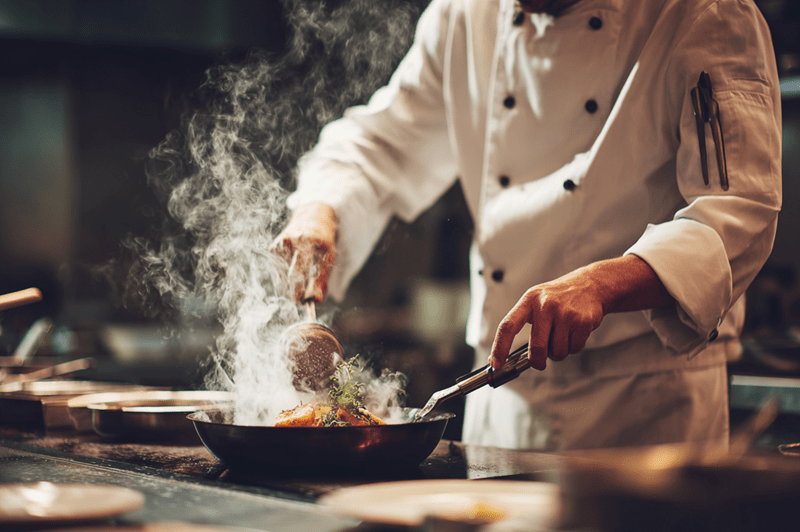
When you first start cooking, frying can feel a little intimidating. Hot oil, timing, texture, all of it seems tricky until you understand what is really happening in the pan. That is why I wanted to break down cooking 101 in the simplest way possible and focus on something every home cook deals with at some point. Frying. Once you know the science of frying and the science of deep frying, things start falling into place. You finally understand why food turns golden, why some things crisp up perfectly, and why some turn soggy.
This is the version of frying I wish I had learned earlier. Straightforward, clear, and something you can follow even if you have never picked up a spatula before.
What Is Frying and Why It Works
Before anything else, let us talk about what is frying. Frying is basically cooking food by submerging it in hot oil or placing it in a shallow layer of oil. The heat from the oil cooks the inside while the outside forms a crisp crust. That crust is not just for taste. It locks in moisture so the inside stays soft. If you have ever wondered why a fried piece of chicken stays juicy, this is the reason.
The science of frying is simple. Oil can reach temperatures much higher than water. This high heat evaporates moisture from the surface of the food. As the water leaves, the surface dries out and becomes crispy. At the same time, the interior cooks quickly because oil transfers heat fast. When you start understanding this basic process, you stop guessing and start frying with confidence.
The Science of Deep Frying Explained
The science of deep frying takes everything from regular frying and pushes it even further. Deep frying means the food is completely covered in hot oil. Because of this, the cooking is more even. Hot oil surrounds the food from every side, which gives you that perfect, uniform golden color.
Temperature is the key here. Most deep frying happens around 350 to 375 degrees Fahrenheit. Stay within this range and your food crisps instead of absorbing too much oil. Go lower and your food becomes greasy. Go higher and the outside burns before the inside cooks. Once you understand this, deep frying stops feeling risky and starts feeling manageable.
This is why knowing the science of deep frying matters. It gives you control. Instead of letting the oil decide what happens, you decide what happens.
Different Types of Frying You Should Know
Most people think frying is just one method, but there are actually different types of frying that work for different foods and textures. Here are the most common ones you will use at home.
Shallow frying
This is when you cook food in a thin layer of oil. Perfect for cutlets, patties, fritters, and anything that does not need to be submerged completely.
Deep frying
This is the full immersion method that gives you crispy fries, chicken wings, doughnuts, and tempura.
Stir frying
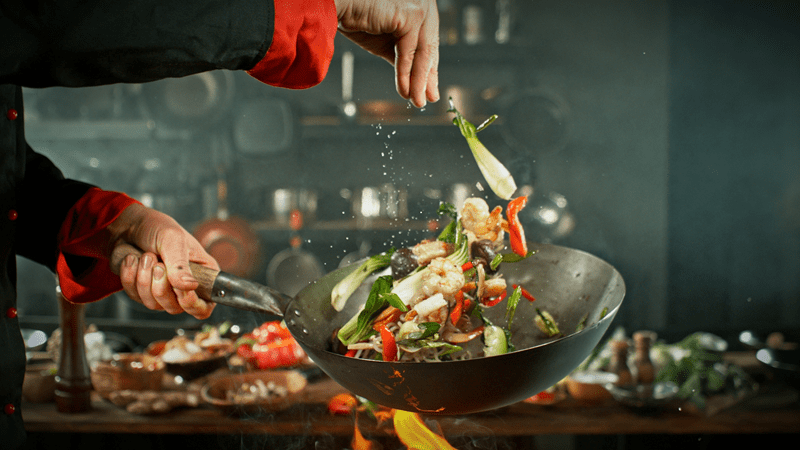
This method uses high heat and small amounts of oil. The food cooks fast and stays crisp. Great for vegetables, noodles, and meat strips.
Pan frying
Pan frying sits somewhere between shallow frying and sautéing. You use enough oil to cover the bottom of the pan but not enough to drown the food.
Once you understand these different types of frying, you stop forcing every recipe into the same method. You start choosing the right approach for the right dish, which makes your cooking more consistent.
Don’t Miss: A Detailed Guide to Must-Have Kitchen Tools for Every Home
What Oil Is Best for Frying at Home
One of the biggest questions people ask is what oil is best for frying. The answer is actually simple. You want oil with a high smoke point because frying needs high heat. If the oil burns easily, the food tastes burnt.
Here are the best options for frying at home.
Peanut oil
Great for high heat and gives no strange aftertaste.
Canola oil
Affordable, neutral, and reliable. Works for almost everything.
Vegetable oil
A good all purpose option when you need a lot of oil.
Sunflower oil
Light, clean, and ideal for deep frying.
What oil is best for frying also depends on flavor. If you want something neutral, go with canola or vegetable. If you want a richer taste, peanut oil is strong enough to handle high temperatures without breaking down.
Once you know what oil is best for frying, you stop worrying about burning, smoking, or flavor changes while cooking.
How to Fry at Home Without Stress
You do not need a fancy setup to fry at home. You just need a few basics and the right approach.
Use a heavy pan
A heavy pan heats evenly and keeps the oil at a steady temperature.
Do not overcrowd
When you fry at home, avoid adding too much food at once. It drops the temperature and makes your food soggy.
Always pat food dry
Water and hot oil do not mix. Dry your ingredients before they go into the oil.
Use a thermometer if possible
This one small tool removes all the guesswork. If you cannot use a thermometer, test the oil by dropping a small piece of bread. If it browns in about a minute, the oil is ready.
The more you fry at home, the more comfortable you get. It becomes routine instead of scary.
More to Discover: Balanced Diet Secrets for Better Skin and Vital Health
Why Understanding Cooking 101 Matters
Cooking 101 is not just about recipes. It is about getting the basics right so everything you make becomes easier. When you understand the science of frying, the science of deep frying, and how oil and heat work together, your cooking levels up without any extra effort. You stop relying on luck and start relying on real technique.
Frying is one of those skills that looks complicated until someone breaks it down clearly. Once you learn the simple science behind it, frying becomes one of the easiest and most satisfying cooking methods you can master at home.
If you have ever wanted to fry at home with confidence, this is the foundation you need. Clean, simple, and no nonsense. The more you practice, the better you get, and soon frying will feel like second nature.
This content was created by AI