How to Care for a Herb Garden: Tips for Thriving Herbs

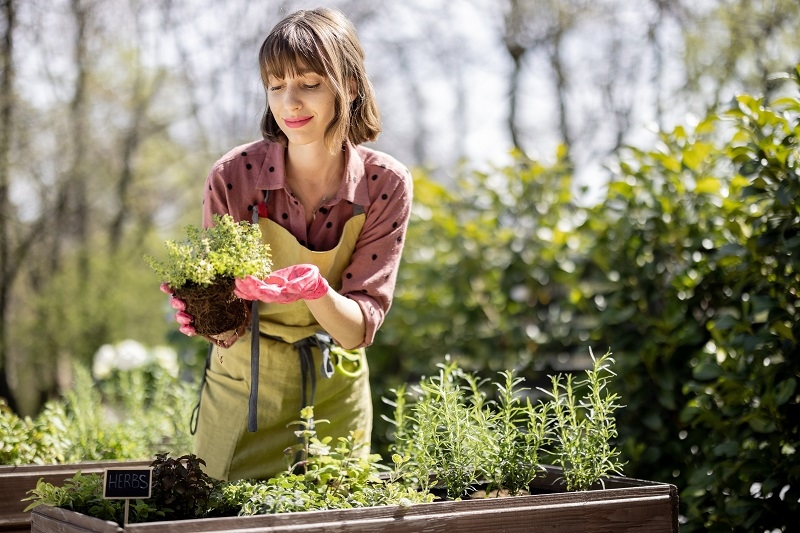
How to care for a herb garden isn’t just about fresh ingredients for your meals. It’s about bringing life into your kitchen, your living space, and even your mood. There’s something deeply satisfying about snipping fresh basil for pasta or grabbing mint for your evening tea straight from your own home kitchen herb garden. But keeping herbs thriving requires attention, the right setup, and consistent herb garden care. This guide walks you through creating and maintaining an indoor herb garden, a home herb garden, or a herb garden in home spaces that actually works.
Why a Home Herb Garden Is Worth It
Fresh herbs change everything in cooking. The slightest sprig of thyme or parsley lifts a dish up. But not just because it tastes good, a home herb garden provides greenery to your area and makes your kitchen bright. A home kitchen herb garden can keep herbs healthy, aromatic, and flavorful weeks longer when compared to store-bought herbs, which wilt very fast. And, maintaining an indoor herb garden also adds some daily happiness and rest.
Planning Your Herb Garden
Herb garden does not require an expert or back yard to start. A windowsill or even a balcony can be transformed into a green oasis with the help of a proper approach even on a sunny day.
Choose the Right Herbs
Not every herb grows in all conditions, and it is better to begin with those that flourish in your space and the way you cook. The traditional herb garden starters are:
- Basil, parsley, cilantro, and dill are generally cultivated indoors as annuals.
- Perennial plants such as rosemary, thyme, sage, oregano, mint, and chives are plants that recur every year.
Lump together group herbs with similar water requirements. To take an example, rosemary and thyme prefer drier soil, whereas parsley and basil prefer regular moisture. Mint grows vigorously, and therefore it needs to be isolated, or it will overtake your herb garden in home plants.
Pick the Right Spot
The determining factor to the success of your kitchen herb garden is light. The majority of herbs need direct sunlight 4-6 hours a day. It should be in the sun on a patio or a balcony. It is good where there is a south- or west-facing window indoors. In case you lack an adequate supply of natural light, use a grow light that imitates the sun in your indoor collection.
Containers and Soil
In the case of a home herb garden, the container is important. Herbs do not take well to wet roots, and in this regard, drainage is important:
- Width: Planting multiple herbs: Provide the herbs with space.
- Material: Terra clay, cedar, or food-safe plastics are fine; terra clay also controls moisture.
- Drainage: Bottom holes are mandatory, covered over with a cloth or mesh to prevent falling out, but they must drain.
Apply a loose and well-draining topsoil, compost and sand or perlite mixture. Add a little bit of compost to finish it. The ground must be damp, yet not wet, because this is the foundation of healthy herbs.
Planting Your Herbs
Gently remove plants from nursery pots, teasing roots when they are compacted. Plant herbs in such a way that the top of the root ball is on the same level as the soil. Spread out the plants to allow air and light to reach them, and never group herbs that have very different watering requirements with each other because this complicates their care. Once the soil is planted, sprinkle water to make the soil firm and put the pots in the place where they will get ample light.
Watering and Herb Garden Care
The most difficult part of a home herb garden is watering. The biggest mistake is that of overwatering herbs. Here's how to care for a herb garden:
- ,Check soil prior to watering: Stick a finger 1 inch into the soil. If it's dry, water. If it's damp, wait.
- Water it out: In containers, fill them with water till it comes out at the bottom. Pour out received water on trays to avoid root rot.
- Time of day: Morning is best- leaves must be dry before evening.
- Frequency: Set depending on the type of herb and the climate indoors. Basil and parsley prefer slightly moist soil whereas rosemary, thyme and oregano prefer drier soils.
Monitoring the requirements of every herb will help your herb garden at home to thrive without experience.
Must Read: Essential Garden Tools for Every Gardener’s Success
Light and Temperature
Flavours in herbs are propelled by sunlight. Inside, get direct sun exposure of 4-6 hours a day. When you use a grow light then use 12-14 hours a day. Do not put pots close to stoves, radiators or drafts. Herbs are sensitive to temperature, such as stable, moderate temperatures, which retard growth, or wither them.
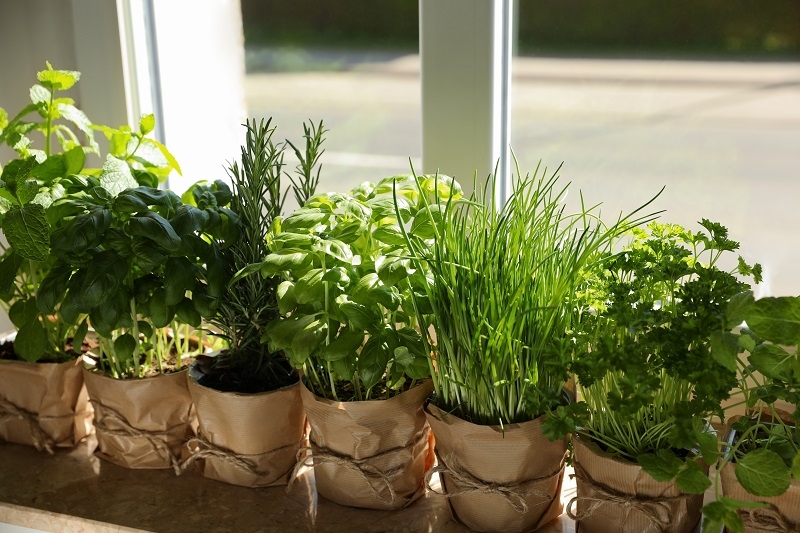
Fertilizing Your Herb Garden
Herbs do not require a lot of feeding. Excess nitrogen makes things tasteless. Lightly feed on organic fertilizer or compost once per month throughout the growing season. Too much feeding may cause herbs to grow rich and tasteless--so resist the temptation.
Pruning and Harvesting
Good herb garden care includes regular harvesting. Snipping herbs will promote growth and inhibit flowering (bolting):
- Annuals such as basil, cilantro and parsley: trim outer stems frequently.
- Perennials such as rosemary, thyme, and oregano: trim a few stems every week.
- Always leave a leaf node above which you want to cut so that the bush grows.
- Take off the flowers when you desire the production of leaves to persist.
Your home kitchen herb garden stays productive and also good-looking through frequent pruning.
Pests, Diseases, and Maintenance
- Eliminate browning or withering leaves to increase air circulation.
- Be on the lookout of pests such as aphids, spider mites, or whiteflies.
- Turn pots every now and then to grow even when indoors.
- In colder seasons, take delicate herbs indoors or cover them with a frost-proof covering.
- Soil should be changed or renewed periodically; soil is a source of nutrients that decrease with age.
Care of herb gardens is more a matter of observation than action. Observe the reaction and adaptation of plants to water, light, and trimming.
Seasonal Care Tips
- Spring: Refresh soil, check for pests, and restart light and water routines.
- Summer: More frequent watering, frequent harvesting and heat stress protection.
- Fall: Prune the perennials, lessen the fertilizer, and get in readiness the houses to herbs.
- Winter: Water sparingly, give an indoor herb garden supplemental light and allow slow-growing herbs to rest.
Common Problems and Fixes
- Yellowing leaves: over-watering or nutrient deficiency.
- Wilting: underwatering or root stress
- Leggy growth: too little light.
- Flowering prematurely: pinch back in order to have the leaves keep on.
- Root rot: enhance drainage and get rid of standing water.
Simple changes avoid most problems if you pay attention.
You may also like: A Detailed Guide to Must-Have Kitchen Tools for Every Home
Final Thoughts
A successful home garden of herbs doesn't happen by accident. It comes from planning, consistent care of the herb garden, and learning what each plant needs. Whether it's a home kitchen herb garden on your windowsill or a full outdoor home herb garden, the results are worth it -- fresh flavors, greenery, and a little daily satisfaction.
Start small, observe, adjust, and have fun. The better you take care of your herbs, the more they will reward you with great flavors and life in your house.
This content was created by AI